一条川江,世界上最危险的航道。一个英国人沿江而上,寻找新的商业市场。一座古城在不断涌来的潮水中,已经听见扣门声响。这是发生在19世纪末的一场角力。一方是大清朝廷以及重庆的黎民百姓,另一方是野心勃勃的英国冒险家。
Äsende Elche im inneren Ural, geschmeidige Amur-Tiger am Pazifikstrand, kämpfende Riesenseeadler in Kamtschatka, Eisbären auf der Jagd in der Arktis oder munter tauchende Robben im Baikalsee. Die atemberaubende
Since the cult success of Merci Patron!, activist/journalist/filmmaker François Ruffin has become an MP. Here, he attempts to table a law aimed at upholding the rights of what in Quebec are known as caregivers, and shows us in passing how a law whose need seems patently obvious is put together, debated, voted on and . . . dies on the battleground of French politics. A stirring documentary about social injustice that somehow manages to make us bust a gut laughing as we rage with indignation. And also cry at the beauty of it all, thanks to the director’s humanist sensibility and a deft play between reality and fiction.
《旅人:48小时游记》为英国的一档电视旅游纪录片系列节目,主持人为《IT狂人》中的Moss 理查德·艾欧阿德。每一期节目中,他将与不同的明星嘉宾在各个著名旅游城市游历48小时。第二季四期节目的取景地分别为维也纳、巴黎、哥本哈根、莫斯科。
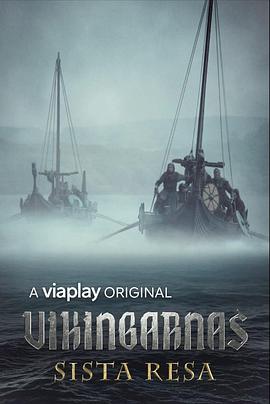
大约 1000 年前,维京人离开斯堪的纳维亚半岛,定居于欧洲各地,沿途以诺曼底命名,直到 1066 年他们的诺曼后裔在黑斯廷斯战役中夺取了英国王位。但我们对他们到底了解多少?通过结合专家分析和引人入胜的剧情,《维京人的最后旅程》(瑞典语标题:Vikingarnas sista resa)讲述了一个关于这个复杂民族的全新且常常令人惊讶的故事。
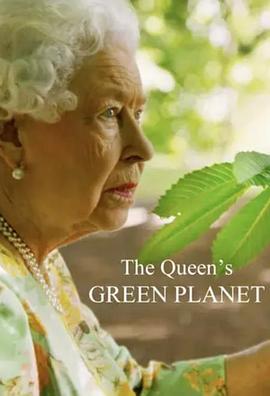
女王邀请爱登堡老爵爷一同探讨如何使地球常青繁茂,王室成员和影星安吉丽娜·朱莉参与本片。
如果一个有黑手党背景、专做垃圾生意的大亨买了一支小联盟曲棍球队,并让他 17 岁的儿子负责,会发生什么?咆哮、斗殴、瘀伤、发狂······他们一度走红,却最终被美国联邦调查局重创。2004 年,吉米·加兰特在康涅狄格州丹伯里市创建了 UHL 冰球队“Trashers”,并让他痴迷于《野鸭变凤凰》的年少儿子 A.J. 担任总经理。(如果你觉得托尼和 A.J 听起来很耳熟,那是因为《黑道家族》就是以加兰特和他的家人为原型。)A.J. 想要创造一个将职业摔跤和《野鸭变凤凰》进行完美融合的组合 — “一个我最喜欢的英雄和恶棍的组合。”结果,这支不合群的球队凭借粗暴的赛场表现和破纪录的罚球时间,吸引了大批忠实的球迷(包括一些名人),ESPN 也对其进行了报道。但后来,美国联邦调查局对 Trashers 和吉米·加兰特亮出了红牌。
影片通过国际空间站宇航员的视角近距离呈现摄人心魄的地球美景,同时带您一同探寻这个美丽星球的未来模样。在这段激动人心的环球之旅中,您将看到日益美丽的湛蓝地球,伴着游若细丝的浮云,在阳光下闪闪发光。
该片是以武器为主要讲述对象的大型系列军事题材纪录片。节目在展示武器结构、功能等细节的同时,还讲述了关于武器在制造和战争中的有趣故事。节目秉承以国产武器为主的“真枪实弹,真测试”原则下进行拍摄制作,用真实的军方专门测试枪支性能的真实案例,呈现给广大军迷和观众。
Welcome to a food extravaganza, a visual poem to Mexico's foodie ingenuity and the quirky and delicious flavors that are worth the stomach aches.
The Power of Emotion explains that emotion isn't to be confused with sentimentality. Emotion is ancient and more powerful than any art form. The film looks at young couples who run into difficulties as they try to translate their experiences of love into clear decision-making. A woman who has shot her husband provides a judge with a puzzle. Those who love can bring the dead back to life by means of co-operation. That's the focus of the opera, "The Power Plant of Emotions" and the "Opera of the 20th Century" cinema. Alexander Kluge: The Power of Feeling When I started working on The Power of Feeling, I was not in a rational state. I did not say, I have a subject and now I will make a film about it. Instead I was spellbound and observed in my direct surroundings, for example, how feelings move. I have not really dealt with the theme of my mother's death and the fact that she was the one who taught me "how feelings move." Nor have I dealt with how she died. That was an entire palette of feelings: "All feelings believe in a happy end," and everyone believes tacitly that they will live forever: The entire palette is somehow optimistic, a positive attitude towards life having been put on the agendaas long as she was young, as long as her body held out, from one day to the next she collapsed. She just suddenly collapsed, like in an opera where disaster takes the stage in the fifth act. It felt as if I had observed an air raid or a disaster. The film The Power of Feeling is not about feelings, but rather their organization: how they can be organized by chance, through outside factors, murder, destiny; how they are organized, how they encounter the fortune they are seeking.What is all this organization of feelings about? Generally feelings tend to be a dictatorship. It is a dictatorship of the moment. The strong feeling I am having right now suppresses the others. For thoughts this would not be the case. One thought attracts others like a magnet. People therefore need affirmation by other people to be sure about their own feelings (to counteract the acquisition of their feelings through outside forces). Through the interaction of many people, for example, in public, the various feelings also have a magnetic attraction to one another just like thoughts do. Feelings communicate through their manifestation in public. The cinema is the public seat of feelings in the 20th century. The organization is set up thusly: Even sad feelings have a happy outcome in the cinema. It is about finding comfort: In the 19th century the opera house was the home to feelings. An overwhelming majority of operas had a tragic end. You observed a victim. I am convinced that there is a more adventuresome combination: Feelings in both the opera and traditional cinema are powerless in the face of destiny's might. In the 20th century feelings barricaded themselves behind this comfort, in the 19th century they entrenched themselves in the validity of the lethal seriousness.